The shades are shut this morning, but the light that filters through the gaps seems gray. I’m pretty sure it’s overcast today.
I don’t remember making coffee. It’s that kind of morning. But I still know how I made it with a French press and grounds that are too fine, and how when the grounds are that fine and the water that hot you don’t actually have to wait the magic four minutes like I was trained to years ago when I was paid to make coffee for other people.
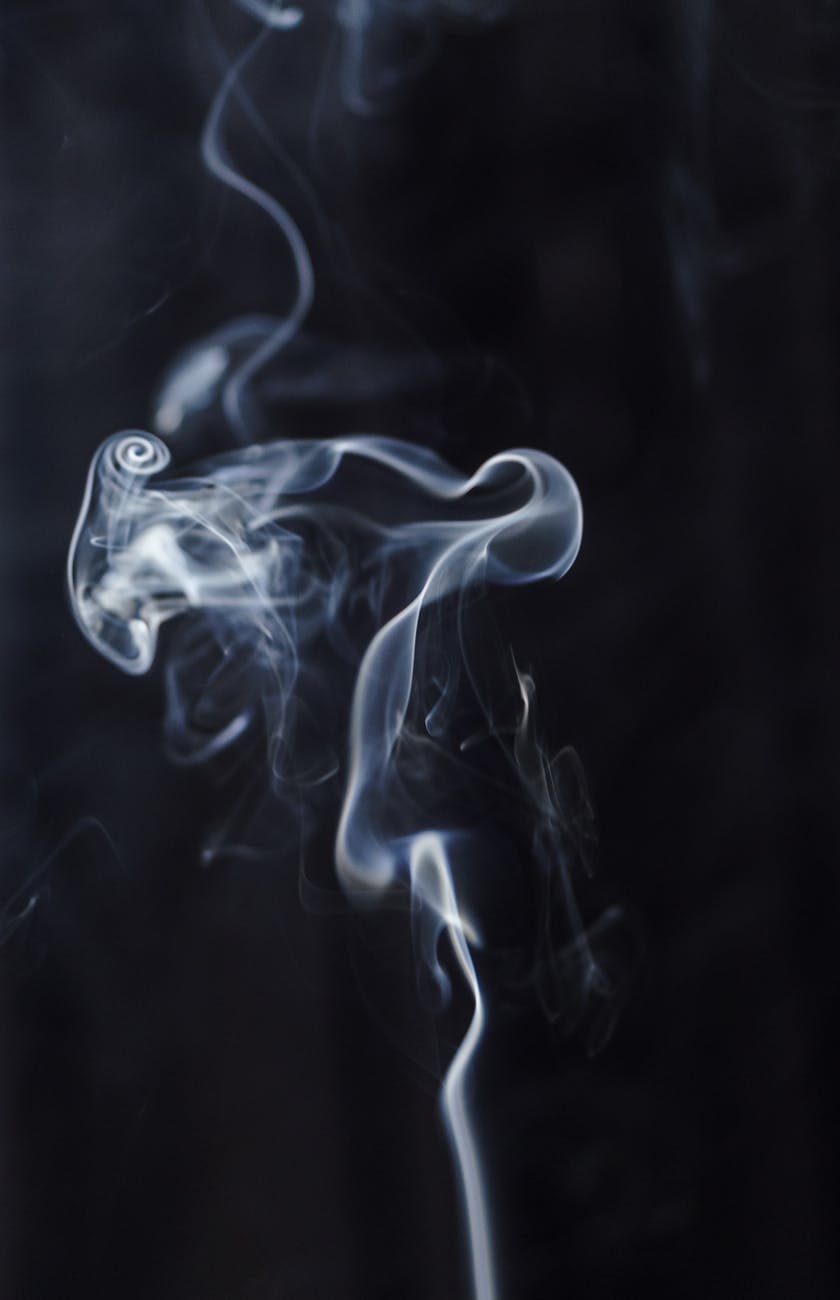
How does it happen? The mostly eggshell white mug with the big “M” on it—a false shadow printed under the M—steamed. Wisps of mist rose and danced and faded into the air I breathe. The ghost dance told a story. The story I heard was of a hot cup of coffee. Too hot. But I drank from it and it was perfect. Not too hot actually. Like laying on the sand at the beach when it’s radiating the heat of the sun. Most stories are lies—even the true ones—but I love them anyway.
Now it’s lukewarm. Still a nice temperature to drink. And yet those plumes of steam, though barely visible, still dance. Even those weak wisps still tell a story that disagrees with the mild heat of the black liquid on my tongue.
Half of the M is in shadow. The M is a whole thing, a story, but I don’t want to talk about that now. This cup is me. Other people see the half that is in the light, but the half in shadow is on the half of the mug shared by the handle. The part I hold and know more dearly. Other people only see my empathy and patience. They only see the way I weave words to bridge gaps in understanding. They only see me on the days that I get out of bed. They don’t see that I learned to twist words to be a better liar. They don’t see that I hold space for other people so they won’t truly be able to see me. Even when I lift the cup with my other hand, wrapping my fingers around its girth, my fingers land on the shadowed parts of the mug. Like when I paint on a smile, and cough out a laugh, and all I see is how other people feel connected to me but I don’t. They believe the story I tell. I see the lie.
But I like looking at it. The mug, a meditation on light and dark. On reflection. On expectation. The only thing I don’t like looking at is a red dot on the base where the mug is flared. Surely it is from tortellini soup or butter chicken. A sign of poor cleaning. Of neglect despite effort. That’s what Anna often goes on about, intent versus harm. How my mother’s love was real, not fake like the chestnut brown dye in her hair.
She was raised in a time that was simpler. After the second World War people had defined roles. They didn’t question the narratives in society. That’s why they couldn’t be allowed to feel.
She gave me her best. The best she knew how to give. But she left scars. The kind you just can’t get away from. The kind that just keep capturing the eye. No matter how you try to turn the cup, or move it to another place in the room, that red dot is still there. A person that doesn’t really feel is a stranger to themself and feels like a stranger even when they are your mother. And when a stranger tries to hold you and kiss you it feels wrong, and if it keeps happening eventually even the slightest touch burns your skin. I see it even when I don’t see it. A part of me, even when I look at the coffee table where my dog’s hair sticks to greasy palm stains. At least I assume that’s what the smudges are.
The big red book—a complete illustrated collection of the Earthsea series—sits next to the hairy smudges and is somehow not as big as that little red dot on the mug. Unintentional neglect manifest in the vessel of my morning coffee. And then the question, why haven’t I mentioned the other things—the coffee stain and the lone coffee ground, a rogue particulate yelling at me from across the mug that things aren’t right. Just like the grime that hides near the handle in the shadow. The same way I don’t tell my lovers that they are actually hurting me each time they touch me, I don’t clean it off—not the red dot, nor the coffee ground and its friend the stain, nor the shady grime that is harbored in a seam that used to be invisible.
If I don’t clean them then I know what is wrong. The red dot, and the coffee residue and the dirt, that’s what is wrong. Is it because I’m not worth being cared about that my mug isn’t cared for? Is it because I’m unworthy and cursed by the universe that my mother’s love and all the loves that came after it seem to fall short, never reaching a lonely heart, more hurt than helped by the waves crashing at the base of the Mountain. Am I doomed to the fate of that guy in Greek hell who thirsts eternally by a stream that pulls away each time he goes for a sip? At a certain point, when you care about a person, and let yourself lean on them, they will disappoint you. And it’s only fair, because I’m no better. People are only a balm when they are an idea.
That’s why I don’t clean the cup, even though it bothers me. Because then I can blame everything that’s wrong on the stains and red dots and smudges. Because then I can tell myself, if I just cleaned the cup everything would be okay. Because then I wouldn’t have to face the truth that the cup always had seams, and no matter how many times I clean it, it will always get dirty again, and there is no singular act that can fix things, because what is wrong isn’t really a cup, or an action, or a pattern, or other peoples love, it is me and the scars I don’t know how to move past.
Now I’ve realized that the story in the steam wasn’t actually about a hot cup of coffee. The best stories are more about beauty than about the plot since they are lies anyway. And somehow, defying the laws of physics, my coffee, which tastes like a warm dark room in my mouth, defying its temperature and all the other wrong things, still spits steam, so faint I can’t make out the dance, but still, I know it’s happening. Maybe it always will be. Maybe it always was.
 Milk of the Mind